Smolsies 2 - Cute Pet Stories
TutoTOONSEducational
3.9437.00 Reviews
- Version
- 2.2.190
- Installs
- 10.00M
- Age Rating
- Everyone
Screenshots
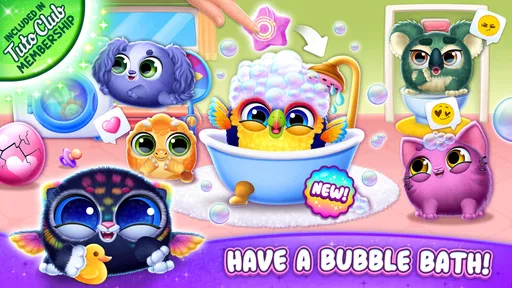
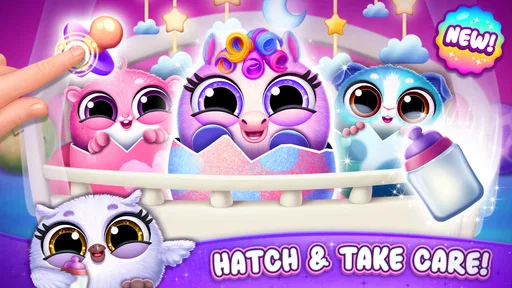
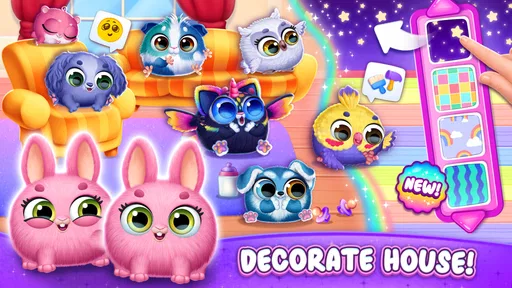
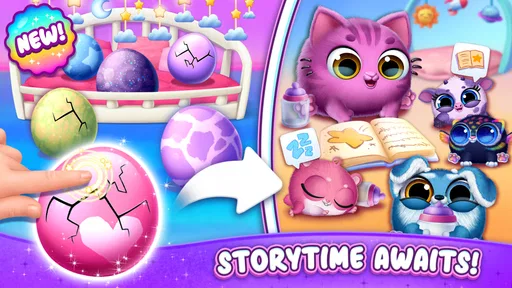
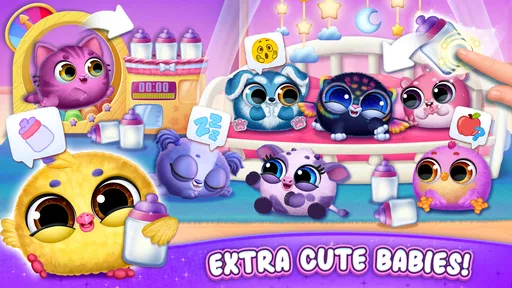
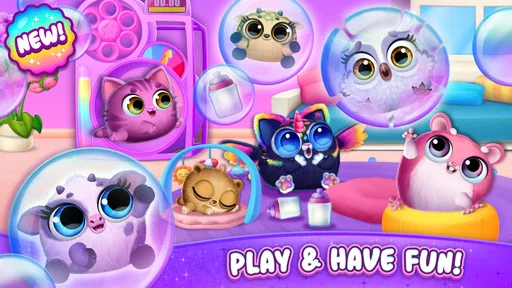
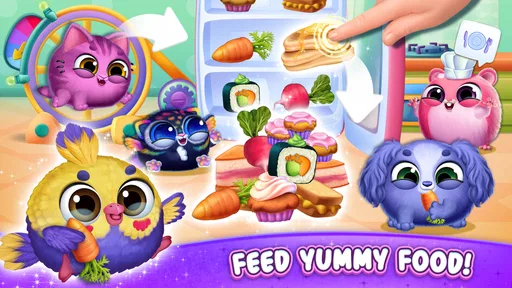
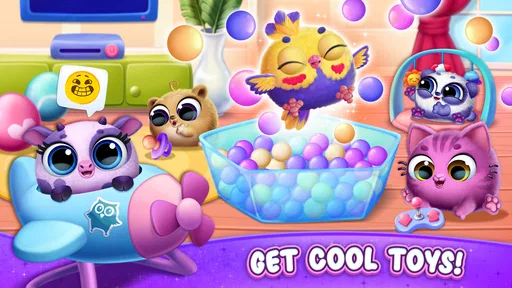
Our Review of Smolsies 2 - Cute Pet Stories
 Analysis by Appyee
I approached Smolsies 2 - Cute Pet Stories as a small, child-friendly game rather than as a serious learning course. That distinction matters. It is an educational game from TutoTOONS built around caring for fluffy virtual animals, discovering their stories, and finding surprises as you play. The appeal is gentle curiosity: you hatch creatures, look after them, and spend time with a colorful cast instead of chasing difficult scores or competing against other players.
My first impression was that it is designed for short, relaxed sessions. A child can open it while waiting, play for a few minutes, and return later without needing to remember a complicated control scheme. Parents looking for a calm digital activity may appreciate that approach, while older players who want strategy, challenge, or a substantial adventure will probably find it too light. The game is free to start, carries an Everyone age rating, and is available for devices running Android 7.0 or later.
What to consider before choosing it
The most important decision is whether the child wants a pet-care experience or an actual lesson-based educational game. The educational label fits the way the game encourages observation, routine, recognition, and exploration, but I would not treat it as a replacement for reading practice, mathematics software, or a structured school app. Its learning value is woven into play rather than presented as a curriculum.
I would also consider the child’s tolerance for repetition. Hatching and caring for virtual animals can be comforting, but the basic rhythm may feel familiar after the novelty fades. This is a good match for children who enjoy collecting, checking on characters, and uncovering small discoveries. It is less suitable for someone who needs constant new mechanics or a clear sense of progression every few minutes.
The age rating makes it easy to consider for a broad family audience, but that does not mean every child will use it independently in the same way. Younger players may need help understanding what to tap or why a particular activity matters. I found that a short introduction from an adult can make the first session smoother: explain that the animals are there to be looked after, then let the child experiment rather than directing every action.
Another practical point is the business model. The game is free, but optional in-app purchases range from $2.49 to $159.99 per item. That is a wide range, so I would check purchase controls before handing over the device. The free starting point is useful for testing whether the child actually likes the experience, but families should not assume that every possible item or convenience will be included without additional spending.
How the play loop feels in everyday use
The central routine is easy to understand: hatch fluffy animals, interact with them, follow their stories, and look for surprises. I like that the game gives children a reason to return without making the first visit feel like a tutorial exam. The animals provide an immediate emotional hook, and the story framing gives the collecting element more personality than a plain catalogue of virtual pets.
A realistic use case is a child settling down after school while a parent prepares dinner. The game can fill a short gap because it does not demand a long uninterrupted session. The child can focus on one small goal, discover something new, and stop when it is time to eat. I would still set a household time limit, because the gentle presentation can make “just one more thing” feel harmless even when the session has already become longer than planned.
It can also work as a shared activity between an adult and a young child. Instead of taking over the controls, I would ask the child to predict what might happen next, identify the animals, or explain which part of the story they found interesting. That changes the game from passive tapping into a conversation about sequence, care, and decision-making. The app supplies the setting; the adult interaction supplies much of the deeper educational value.
One useful habit is to let the child explore before offering help. Because the experience is aimed at accessibility, the temptation is to show every action immediately. Waiting a little encourages the child to notice visual cues and test possibilities. If they become frustrated, demonstrate one interaction and hand control back. This works better than turning the session into a guided walkthrough.
Where this game is stronger than ordinary alternatives
Compared with a basic virtual-pet app, the story element gives the animals a stronger reason to exist. The child is not only maintaining a creature; there is also a sense of discovery around its arrival and its place in the wider group. That makes the experience more appealing for children who enjoy pretend play and character-based stories but are not ready for complex role-playing games.
Compared with worksheet-style educational apps, it is more inviting at the start. There is no immediate feeling of being tested, and the child can learn through attention and participation rather than selecting answers on a page. This makes it a better choice for relaxed home play, especially when the goal is to encourage curiosity rather than measure performance.
Compared with competitive games, it offers a softer emotional environment. There is no need to beat another player to enjoy the animals, and a child who is easily discouraged by losing may feel more comfortable here. I see that as one of its clearest strengths. The game’s appeal comes from care and discovery, not pressure.
The presentation also helps adults join in without needing to understand a complicated game system. A parent can look at the screen and quickly understand the broad objective. That matters when the app is being used on a shared family device, because the adult can supervise naturally instead of learning a dense set of rules first.
Small strategies that make the experience better
I would treat the game as a collection of short activities rather than promise a large daily session. A simple routine works well: open it at a convenient time, let the child choose what to investigate, then stop after a natural discovery or story moment. This keeps the game feeling special and reduces the chance that the care loop becomes background noise.
It is also worth using the animals as prompts for language practice. Ask the child to describe what they see, retell a story in their own words, or invent a personality for a newly hatched pet. These are not formal lessons delivered by the app, but they turn the game’s visual material into a useful conversation starter. For a preschool or early-primary child, that can be more valuable than simply watching the screen.
Another practical tip is to separate “want” from “need” when purchases appear. Let the child explain what they are asking for and why, then decide according to the family rule. This avoids making every locked or optional item an automatic negotiation. Because the game is free to begin, you can first observe whether the core experience holds attention before considering any purchase at all.
I would also avoid presenting it as a reward for every good behavior. Virtual pets can become emotionally important, and tying access too closely to chores or discipline may create unnecessary arguments. It works better as one optional leisure activity among books, outdoor play, creative tasks, and other games.
Where a different type of app may fit better
If your main goal is measurable academic practice, I would choose a dedicated learning app instead. A structured mathematics or literacy program is likely to offer clearer exercises and a more direct connection to a particular skill. This game can support attention and storytelling, but it should not be the only educational tool in a child’s routine.
If the child wants open-ended building, drawing, or problem solving, a creative sandbox may be a better fit. The pet-story format gives the experience a particular direction, which is helpful for children who like guidance but limiting for those who want to invent everything themselves. Likewise, children who enjoy fast reactions, puzzles, or competitive challenges may lose interest because the mood is deliberately gentle.
Families who want a completely purchase-free experience should think carefully before installing it. The free entry point is convenient, yet the presence of optional items means adults should manage the device settings and expectations. I would not install it on a child’s device without first deciding whether purchases are allowed and who approves them.
There is also a difference between playing together and leaving a child alone with a device. The game is easy enough to invite independent exploration, but younger children may still benefit from occasional supervision. An adult can help with navigation, keep the session balanced, and turn the stories into conversation. If you are specifically looking for an app that teaches without any adult involvement, this would not be my first choice.
What switching from another game involves
The cost of switching is low if the child is coming from another casual pet game. The basic emotional language is familiar: animals, care, discovery, and return visits. A child who already understands virtual pets should adapt quickly, although they may need time to learn how this particular game presents its stories and surprises.
The change is larger if the child is moving from a competitive or highly structured game. They may initially ask where the score is, why there is no difficult challenge, or what the final objective should be. I would explain that the point is exploration and caring for the characters. If that explanation does not sound appealing to them, forcing the switch will not make the game more enjoyable.
Moving away from a heavily educational app can also require a change in expectations. Here, progress is experienced through the world and its animals rather than through a visible sequence of academic achievements. That makes it easier to enjoy casually, but harder for a parent to use as evidence that a particular school skill has improved.
For families comparing devices, the technical entry requirement is modest: the Android version supports Android 7.0 and newer. The current version is 2.2.190, so I would still keep the app updated through the usual device process when possible. On iOS, I would check the compatibility information shown for the specific device before installing, particularly if the hardware is older.
Value, audience, and long-term appeal
As a free game, it is easy to try without committing money at the beginning. That is its biggest value advantage over paid children’s entertainment: you can see whether the child connects with the animals before deciding anything else. The trade-off is that optional purchases can become part of the experience, so the adult needs to remain in charge of spending.
The game has clearly reached a large audience, with over 10 million installs, while its average rating is 3.9 from around 33 thousand ratings. I read that combination as evidence of broad interest rather than a guarantee that every child will love it. The audience size suggests that the concept is easy to understand, but the middling average also fits a game whose gentle, repetitive style will naturally divide players.
Its release date was March 13, 2022, and TutoTOONS has continued to present it as a current product through version 2.2.190. For me, the more important question is not how long it has been available but whether the child enjoys the particular loop. A popular, maintained game can still be the wrong choice for a child who needs more challenge or a more focused lesson.
I would recommend it most strongly to younger children who like cute animals, simple stories, and calm discovery. It is especially useful as a shared screen activity where an adult can add questions and conversation. It is less convincing for older children seeking depth, for families requiring a strictly academic tool, and for anyone who wants a game with no purchase considerations.
My recommendation
After spending time with it, I see Smolsies 2 - Cute Pet Stories as a friendly, low-pressure choice for children who enjoy virtual pets more than competition. Its strongest feature is the combination of hatching, character care, and story discovery: each part supports the others, so the game feels warmer than a simple collection screen.
I would install it when the goal is a short, approachable activity that can encourage observation, imagination, and conversation. I would introduce it with clear purchase rules, a reasonable time limit, and the understanding that it complements education rather than replacing it. Those small decisions make a noticeable difference to how useful the game feels at home.
My final verdict is positive, with a specific audience in mind. Choose it for a child who wants a gentle animal world and enjoys returning to familiar characters. Skip it in favor of a focused learning app, creative sandbox, or challenge-based game if those are the child’s real interests. The right reason to choose it is not academic intensity; it is calm, story-led play with room for an adult to make the experience more meaningful.
Verdict
Strengths of Smolsies 2 - Cute Pet Stories
- Adorable animations make everyday pet interactions feel lively and entertaining.
- Simple controls are accessible for young children and casual players.
- Multiple pets encourage collecting and discovering different personalities.
- Short activities work well for quick play sessions.
- Bright visuals and gentle themes create a family-friendly atmosphere.
Limitations of Smolsies 2 - Cute Pet Stories
- Progress can feel repetitive after completing the same care activities often.
- Some content may require purchases or watching ads to unlock.
- The game offers limited challenge for older children and adult players.
- Frequent rewards can make the experience feel focused on collecting items.
- An internet connection may be needed for certain features or advertisements.
Other Releases by TutoTOONS
View All
Fluvsies - A Fluff to Luv
Educational4.1

Sweet Baby Girl Cleanup 5
Educational3.8

Smolsies - My Cute Pet House
Educational4.1

Bunnsies - Happy Pet World
Educational4.0
Similar Picks in This Category
View All
Little Panda Policeman
BabyBus4.0

Monster Trucks Game for Kids 2
Raz Games4.1

Little Panda's Chinese Recipes
BabyBus4.4

Little Panda's Restaurant
BabyBus4.4

Little Panda's Ice Cream Games
BabyBus4.3

Baby Panda Care
BabyBus3.8
Frequently Asked Questions
What is Smolsies 2 - Cute Pet Stories?
Smolsies 2 - Cute Pet Stories is a casual virtual-pet game focused on caring for adorable creatures, decorating spaces, and discovering playful activities. You can hatch or collect Smolsies, feed them, keep them happy, and watch them interact with their surroundings. The game is designed for relaxed, family-friendly play rather than challenging competition or complex strategy.
How do you play Smolsies 2, and what can you do with the pets?
Gameplay revolves around looking after your Smolsies and helping them grow through everyday activities. You can provide food, interact with them, explore available rooms or areas, customize their environment, and take part in simple mini-games or tasks. Each pet has a cute personality and requires attention, so regular interaction is important if you want to unlock more content and keep your virtual family cheerful.
Is Smolsies 2 - Cute Pet Stories free to download?
Smolsies 2 is generally available as a free download, allowing players to try the core pet-care experience without paying upfront. However, the game may include optional in-app purchases for items, currency, customization features, or faster progress. Some versions can also contain advertising. Parents should review purchase settings and device restrictions before allowing children to play, especially on shared phones or tablets.
Is Smolsies 2 suitable for children?
The game uses colorful graphics, simple controls, cute animals, and gentle activities, making it appealing to younger players and families. Nevertheless, parents should check the age rating shown in their local app store because available features can vary by region and platform. Advertising, links to other content, and optional purchases may also be present, so parental controls are recommended for unsupervised play.
Does Smolsies 2 require an internet connection?
Basic gameplay may work in some situations without a constant internet connection, but certain features can depend on connectivity. Advertisements, purchases, updates, cloud-related functions, or newly delivered content may require access to the internet. If you plan to play offline, it is best to test the game after installation and remember that progress or store features may not behave exactly as they do when connected.
Play our best games!


